Source Drive Shaft Center Support Bearing for Trucks, Cars, and Vans
Find 30 drive shaft center support bearing options from verified Chinese manufacturers. Compare specifications like OE numbers, materials, and certifications to select the right replacement part for your automotive repair needs; compare the available evidence and request quotations based on your requirements.
Key considerations
Products List


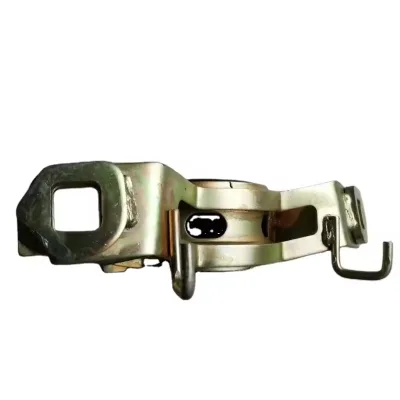


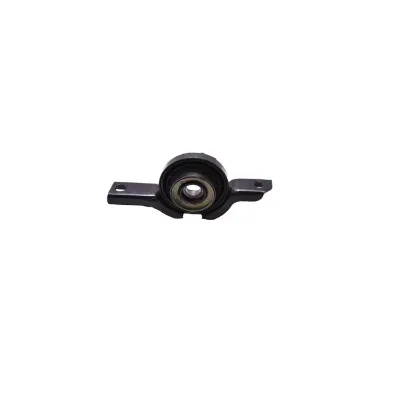


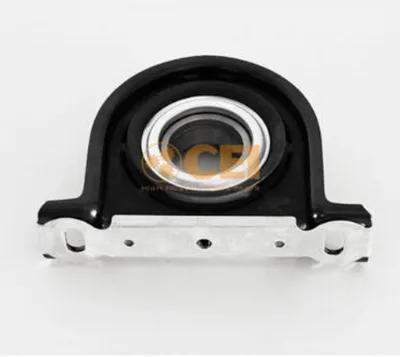

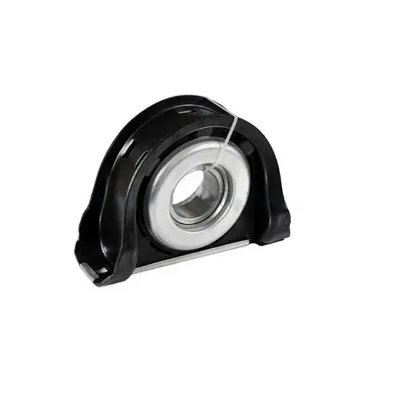


Comprehensive Sourcing Guide
Drive Shaft Center Support Bearing Sourcing Guide
Procurement professionals must first distinguish between generic listings and verified OEM specifications when sourcing drive shaft center support bearings. The observed market data indicates a wide price variance from $0.01 to $1000, reflecting differences in material composition, such as iron, steel, or rubber-metal composites, and the presence of specific certifications like E-Mark or CE. Buyers should treat these price points as indicators of product tier rather than absolute value, ensuring that the lowest cost does not compromise the structural integrity required for high-load applications.
Verification of the specific model number is critical before initiating any purchase order, as listings frequently cite multiple identifiers like 37230-35080, MXAP094, or HB88512A. These codes correspond to distinct vehicle platforms including Ford, Toyota, Nissan, and Iveco, meaning a single bearing cannot universally fit all applications. Sourcing teams must cross-reference the internal bearing diameter, typically observed at 30 mm, against the vehicle's service manual to prevent compatibility errors that could lead to premature drivetrain failure or safety hazards during operation.
Product Scope and Observed Listing Signals
The product scope for drive shaft center support bearings encompasses both standard replacement units and customized variants tailored to specific vehicle manufacturers. Listings confirm that customization is available, allowing buyers to request specific packaging, such as neture boxes, color boxes, or customized cartons, alongside tailored color options like silver, zinc yellow, or black. This flexibility supports diverse procurement needs, from single-item repairs to large fleet maintenance programs requiring consistent branding and packaging standards across multiple regions.
Market signals reveal that suppliers primarily operate from China, with specific origins noted in Hangzhou and Zhejiang provinces, influencing logistics and lead time expectations. The observed lead times range from 15 to 60 days, with some suppliers offering a 30-day window while others extend to two months depending on order volume and production scheduling. Buyers must account for these variations when planning inventory replenishment, as the 30-60 day window suggests that immediate stock availability is not guaranteed for all model numbers without prior arrangement.
Technical Specifications to Verify
Technical verification begins with confirming the manufacturing technique and material composition, as listings specify press-formed iron, steel, or rubber-metal hybrids. The bearing inner diameter is a critical dimension, with 30 mm appearing as a common specification, though this must be validated against the specific axle requirements of the target vehicle. Relying solely on the generic term "OEM Standard Size" is insufficient; procurement teams must demand precise dimensional drawings to ensure the bearing fits the driveshaft housing without excessive play or interference.
The structural integrity of the unit depends heavily on the quality of the rubber isolation and the metal housing, which are subject to varying degrees of wear and tear. Buyers should verify that the product condition is explicitly stated as new and that the type is correctly identified as a driveshaft component rather than a generic suspension part. Additionally, the presence of specific model numbers like 1634100010 or 37230-35080 serves as a primary filter to ensure the component matches the original equipment manufacturer's design intent for the specific make and model.
Compliance and Safety Documentation
Compliance documentation is a non-negotiable requirement for automotive components, with observed certifications including ISO, RoHS, CE, E-Mark, and CCC. These marks indicate adherence to international safety and environmental standards, though buyers must verify that the specific batch of goods carries the valid certificates rather than relying on general supplier claims. The presence of ISOCE and RoHS certifications suggests compliance with chemical restrictions and quality management systems, which are essential for maintaining regulatory approval in export markets.
Safety assurance also extends to the warranty terms provided by the supplier, which typically range from one year to 12 months. This warranty period serves as a critical risk mitigation tool, covering defects in material or workmanship that could arise during the initial operational phase. Procurement contracts should explicitly reference these warranty durations and the conditions under which claims can be made, ensuring that the buyer has recourse if the center bearing fails prematurely due to manufacturing flaws rather than improper installation.
Cost Drivers and Commercial Terms
Cost drivers for drive shaft center support bearings are influenced by material costs, certification requirements, and the complexity of customization. While the observed price range is broad, the inclusion of professional services and high-level quality assurances often commands a premium over basic unbranded units. Buyers should analyze the total cost of ownership, considering that lower initial prices may correlate with reduced durability or limited warranty support, whereas higher-priced items often include comprehensive testing and stricter quality control measures.
Commercial terms regarding payment and minimum order quantities (MOQ) vary significantly across the market, with observed MOQs ranging from single items to 200 pieces. Payment methods typically include TT or LC, requiring careful financial planning to manage cash flow during the 15 to 60-day delivery period. Negotiating favorable terms, such as flexible MOQs for first-time orders or extended payment windows, can help mitigate the financial risk associated with sourcing specialized automotive components from international suppliers.
Supplier Qualification and Quality Control
Supplier qualification requires a rigorous assessment of their production capabilities and quality control protocols, particularly given the diverse origins in Hangzhou and Zhejiang. Buyers should verify that the supplier has a proven track record of producing standard components that meet the specific technical requirements of major automotive brands like Ford, Toyota, and Nissan. The availability of professional services and the ability to accept OEM requests are strong indicators of a supplier's capacity to handle complex procurement needs and maintain consistent product quality.
Quality control processes must be validated through on-site audits or third-party inspection reports, focusing on the consistency of the press technique and material integrity. Since the product is classified as a standard component, deviations in the bearing inner diameter or rubber hardness can lead to significant drivetrain issues. Procurement teams should insist on pre-shipment inspections to confirm that the delivered units match the agreed-upon specifications, ensuring that the "High Level" quality claims are substantiated by actual performance data.
Long-Term Procurement Checks
Long-term procurement strategies should focus on establishing a stable supply chain that can accommodate fluctuating demand and evolving vehicle models. Regular audits of supplier performance, including adherence to lead times and warranty fulfillment, are essential for maintaining operational continuity. Buyers must monitor the supplier's ability to maintain certification validity and ensure that their production processes remain aligned with changing international standards and environmental regulations.
Continuous improvement in the sourcing process involves tracking the performance of specific model numbers over time to identify any recurring quality issues. By maintaining a detailed record of lead times, defect rates, and supplier responsiveness, procurement teams can make data-driven decisions to optimize their inventory levels and reduce the risk of supply disruptions. This proactive approach ensures that the drive shaft center support bearings remain reliable and cost-effective components within the broader automotive maintenance ecosystem.
FAQs
What certifications are available for drive shaft center support bearings?
Available certifications include TSRoHS, E-Mark, CE, ISOCOP, CCC, ISO, and RoHS. These documents verify compliance with international safety and environmental standards. Buyers should verify specific certification requirements with the supplier before placing orders to ensure regulatory alignment for their target markets.
Can I customize the packaging for drive shaft center support bearings?
Yes, customization is available for packaging. Options include Neture Box, Color Box, Carton, or custom requests. This flexibility allows buyers to meet specific branding or logistical needs. Suppliers typically accommodate these requests to enhance product presentation and protect the bearings during transit.
What is the lead time for drive shaft center support bearing orders?
Lead times generally range from 15 to 60 days depending on order volume and specifications. Some suppliers offer a standard 30-day delivery period. Buyers should confirm exact timelines with manufacturers to align production schedules with their inventory requirements and avoid potential delays in vehicle repair operations.
Which materials are used in drive shaft center support bearings?
Materials typically include iron, steel, rubber, and metal components. The rubber provides vibration damping while metal parts ensure structural integrity. These materials are selected for durability and performance. Buyers should check specific material grades with suppliers to ensure compatibility with their vehicle applications and operating conditions.
What is the minimum order quantity for drive shaft center support bearings?
MOQs range from 1 to 1000 pieces, with some suppliers requiring 200 pieces. Lower MOQs are available for testing or small repairs. Buyers should negotiate terms based on their volume needs. Flexible MOQs help businesses manage inventory costs while ensuring sufficient stock for ongoing maintenance and replacement tasks.
What warranty is provided for drive shaft center support bearings?
Warranties typically cover one year or 12 months from the date of purchase. This coverage protects against manufacturing defects and ensures product reliability. Buyers should review warranty terms carefully. A standard warranty period indicates manufacturer confidence in product quality and provides assurance for automotive repair professionals.